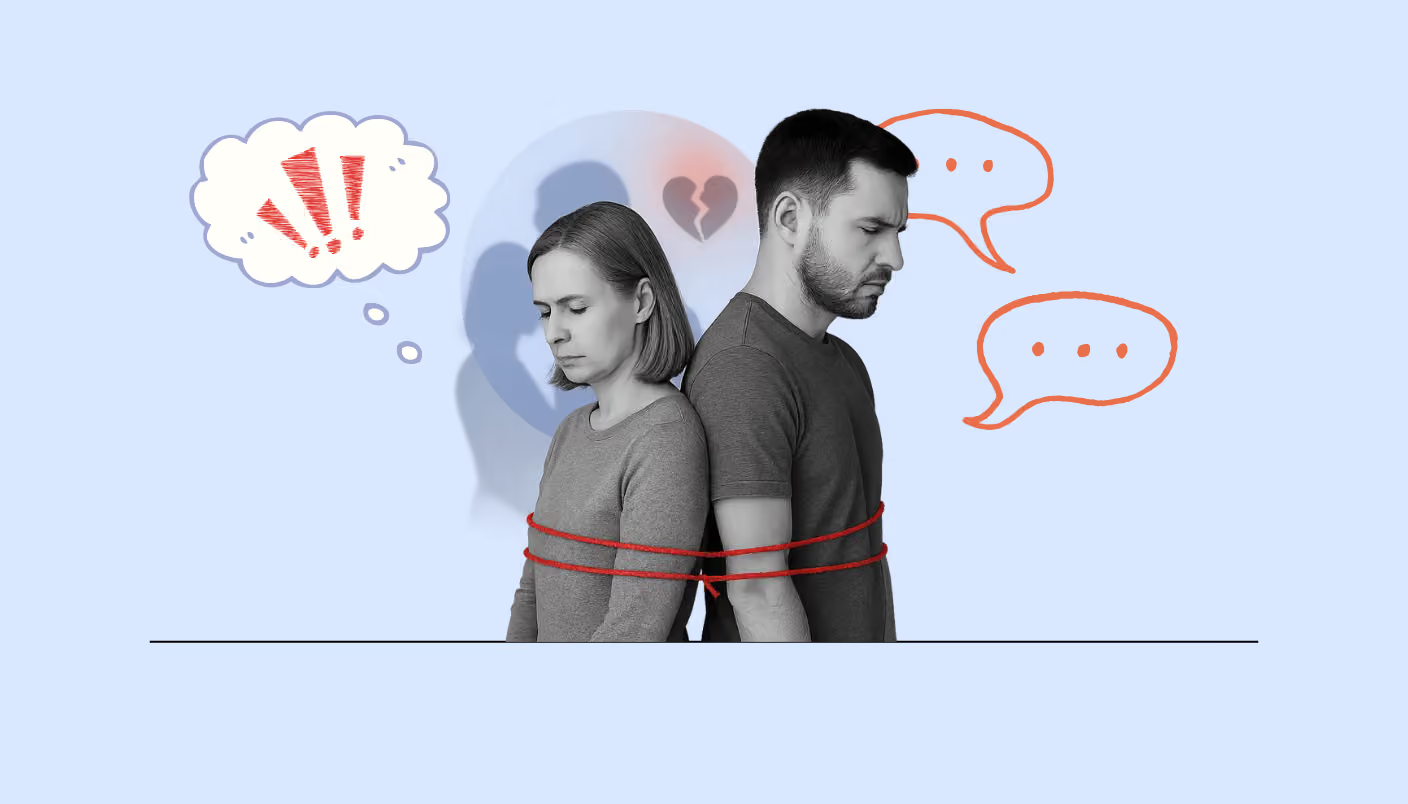
Trust is one of the most important foundations of healthy relationships. Although we may not always notice its presence, trust allows us to feel safe with another person, express our emotions and show who we really are without constantly worrying about being judged, rejected or misunderstood.
When trust is present, we can gradually let our guard down. We can share our thoughts, acknowledge our vulnerabilities and feel accepted without pretending to be someone we are not.
But what happens when trusting others feels difficult? Why do some people struggle to feel safe in close relationships, even when they genuinely want connection? And how can therapy help us understand our relationship patterns and develop healthier connections with others?
In this article, we explore why trust matters, how past experiences can affect our ability to build emotional intimacy, and what we can do to create safer, more fulfilling relationships.
What Is Trust in a Relationship?
Trust does not mean being certain that another person will never hurt, disappoint or misunderstand us. Rather, it means feeling that we can be ourselves within a relationship, communicate our needs and express difficult emotions without constantly fearing rejection.
Trust develops through everyday experiences. When someone keeps their promises, listens without judgement, respects our boundaries and takes responsibility for their actions, we gradually learn that we can rely on them.
Trust is not built overnight. It grows through consistency, honesty, respect and emotional availability.
In a trusting relationship, we do not have to constantly question whether we matter. We do not need to hide our feelings to avoid conflict or carefully monitor every word we say.
We can disagree and still feel connected. We can make mistakes and work through difficulties without automatically assuming that the relationship is about to end.
Trust creates the emotional safety that allows genuine closeness to develop.
Why Is It Sometimes Difficult to Trust Others?
For some people, trusting others comes relatively naturally. For others, it can feel uncomfortable, frightening or even impossible.
Even when they meet someone kind and supportive, they may struggle to believe that the connection is genuine. They may expect disappointment, anticipate rejection or feel the need to protect themselves from becoming too emotionally involved.
Our past experiences can influence how we understand relationships and what we expect from other people.
If our emotional needs were ignored during childhood, our feelings were dismissed or the people we depended on were unpredictable, we may have learned that relying on others is unsafe.
Similar difficulties can develop after experiencing betrayal, emotional abuse, rejection, abandonment or relationships in which our boundaries were repeatedly crossed.
In these circumstances, mistrust can become a way of protecting ourselves from further hurt.
We might:
- Find it difficult to talk openly about our feelings.
- Fear rejection even when there is little evidence that it is likely.
- Need frequent reassurance that we are loved or valued.
- Withdraw when a relationship starts to become emotionally close.
- Overanalyse messages, conversations or changes in another person's behaviour.
- Avoid asking for help because dependence feels uncomfortable.
- Feel suspicious when someone treats us with kindness.
- Expect relationships to end badly, even when things are going well.
These reactions do not necessarily mean that something is wrong with us. Sometimes, they are ways of coping that developed when we needed to protect ourselves emotionally.
What once helped us feel safer can eventually make it harder to build the close and fulfilling relationships we want.
Understanding this can be an important first step towards change.
How Past Experiences Shape Our Ability to Trust
Our experiences influence the way we approach emotional intimacy.
If we grew up feeling that we had to earn love, we may become people-pleasers, putting other people's needs before our own in the hope of being accepted.
If our feelings were regularly dismissed, we may struggle to express ourselves or believe that our emotions are valid.
If someone important in our lives was unpredictable, we may become highly alert to changes in other people's moods, constantly looking for signs that something is wrong.
These patterns can continue into adulthood, affecting romantic relationships, friendships, family connections and even our professional lives.
Sometimes, we find ourselves repeating familiar relationship patterns despite knowing that they make us unhappy.
We may choose emotionally unavailable partners, tolerate behaviour that hurts us or distance ourselves from people who genuinely want to get close.
Recognising these patterns is not about blaming ourselves or our families. It is about understanding how our experiences have shaped us and deciding whether those patterns still serve us today.
We cannot change the past, but we can begin to develop new ways of relating to ourselves and others.
Building Trust Starts with Feeling Emotionally Safe
Learning to trust others is not simply about finding the right person. It also involves understanding our own emotional needs and developing a sense of safety within ourselves.
If we have spent years relying only on ourselves, accepting support may feel uncomfortable. We may believe that we must remain strong, solve every problem independently and avoid showing vulnerability.
Sometimes, caring for others feels easier than allowing someone to care for us.
Developing emotional safety involves learning that our feelings matter, our boundaries deserve respect and closeness does not have to mean losing our independence.
We do not need to share everything immediately or force ourselves to become vulnerable before we are ready.
Instead, we can take small steps, notice how we feel around different people and allow trust to develop gradually.
Trust does not require us to abandon caution. It involves finding a balance between protecting ourselves and remaining open to meaningful connection.
How to Build Trust in Romantic Relationships and Other Close Connections
Trust grows through consistent actions rather than promises alone. We may tell someone that they matter to us, but our everyday behaviour demonstrates whether we can be relied upon.
Here are six ways to nurture trust in relationships.
1. Be Consistent and Reliable
Keeping promises, communicating honestly and following through on commitments help create emotional security.
Nobody gets everything right all the time. What matters is being willing to acknowledge mistakes, take responsibility and make an effort to put things right.
2. Communicate Openly About Your Feelings
Talking about fear, sadness, disappointment or the need for reassurance can feel uncomfortable, especially if we have learned to keep our emotions to ourselves.
However, honest communication allows both people to understand each other more clearly and reduces the likelihood of misunderstandings.
You do not have to express everything perfectly. Sometimes, simply saying, "I'm finding this difficult to talk about, but I want you to understand how I feel," can open the door to a more meaningful conversation.
3. Respect Each Other's Boundaries
Trust does not mean agreeing to everything or sacrificing our own needs to keep someone happy.
Healthy relationships allow us to say no, ask for space and express different opinions without fearing that every disagreement will lead to rejection.
Respecting boundaries helps both people feel valued and understood.
4. Listen Without Judgement
Sometimes, people do not need advice or solutions. They simply need to feel heard.
Listening with curiosity, acknowledging another person's feelings and resisting the urge to immediately fix a problem can strengthen emotional connection.
Feeling understood can help us feel safer expressing ourselves.
5. Allow Trust to Develop at Its Own Pace
Trust cannot be forced. Opening up too quickly may feel overwhelming, particularly if we have experienced betrayal or emotional hurt.
Give yourself permission to take your time. Notice whether the other person respects your boundaries, behaves consistently and responds to your vulnerability with care.
Healthy closeness develops gradually.
6. Learn to Repair Relationships After Difficulties
Disagreements and misunderstandings are a normal part of relationships.
Trust can grow when people are willing to acknowledge the impact of their actions, apologise sincerely and make meaningful changes.
Repairing a relationship does not mean ignoring what happened. It means creating an opportunity for honest communication and deciding together what is needed to move forward.
Can Trust Be Rebuilt After Being Hurt?
Losing trust in someone can be deeply painful.
When a person we rely on betrays us, breaks our confidence or repeatedly crosses our boundaries, we may begin to question not only the relationship but also our ability to judge people.
We might promise ourselves that we will never allow anyone to get too close again.
Rebuilding trust is possible, but it does not always mean returning to the relationship as it was before.
Sometimes, it requires open communication, accountability, patience and sustained changes in behaviour. Both people must be willing to participate in the process.
In other situations, we may need to recognise that a relationship does not provide the safety and respect we need.
It is important to remember that forgiveness does not require us to trust someone again, and rebuilding a relationship should never come at the expense of our emotional or physical safety.
We can also work on rebuilding trust in ourselves.
This means learning to recognise our needs, acknowledge warning signs, listen to our own feelings and make decisions that reflect our values.
Developing self-trust can help us feel more confident in our choices and less dependent on other people's approval.
How Can Therapy Help with Trust Issues?
Difficulties with trust can affect romantic relationships, friendships, family connections and the way we see ourselves.
Sometimes, we understand why we react in certain ways, yet still find it difficult to change our behaviour.
Therapy offers an opportunity to explore these experiences, emotions and relationship patterns in a supportive and non-judgemental environment.
Working with a therapist can help us understand why opening up feels difficult, why we fear rejection or why emotional closeness sometimes triggers anxiety.
The aim is not to force ourselves to trust everyone or convince ourselves that all people are trustworthy. Instead, therapy can help us develop a deeper understanding of ourselves, our needs and our boundaries.
Through therapy, we may begin to:
- Recognise emotions and needs that we find difficult to express.
- Understand recurring patterns in our relationships.
- Develop healthier boundaries and communication skills.
- Explore how previous experiences influence our present relationships.
- Distinguish between current situations and fears shaped by past experiences.
- Develop greater confidence in our feelings, decisions and judgement.
- Learn to accept support without feeling that we have lost our independence.
The therapeutic relationship itself may offer an opportunity to experience being listened to with care, treated with respect and accepted without having to prove our worth.
Trust in therapy does not happen automatically. A therapist should not expect a client to share everything immediately or move faster than feels comfortable.
Instead, trust can develop through consistency, openness, respect and collaboration, at a pace that feels manageable for the client.
Sometimes, the first step towards change is simply experiencing what it feels like to talk about something difficult and be heard without judgement.
Trust – The Quiet Foundation of Emotional Intimacy
Closeness does not mean that we never feel afraid, uncertain or vulnerable. It means learning how to be in a relationship with another person without losing our connection with ourselves.
Trust requires time, patience and mutual respect. For some people, it develops naturally. For others, it involves understanding experiences that have taught them to protect themselves from emotional closeness.
We do not need to trust everyone or reveal more than we feel ready to share.
We can begin with small steps: having an honest conversation, expressing a boundary, asking for help or noticing the people around whom we genuinely feel safe.
If you find it difficult to trust others, it does not mean that you are incapable of meaningful relationships. You may simply need time and support to understand your experiences and discover that relationships can be different from those you have known before.