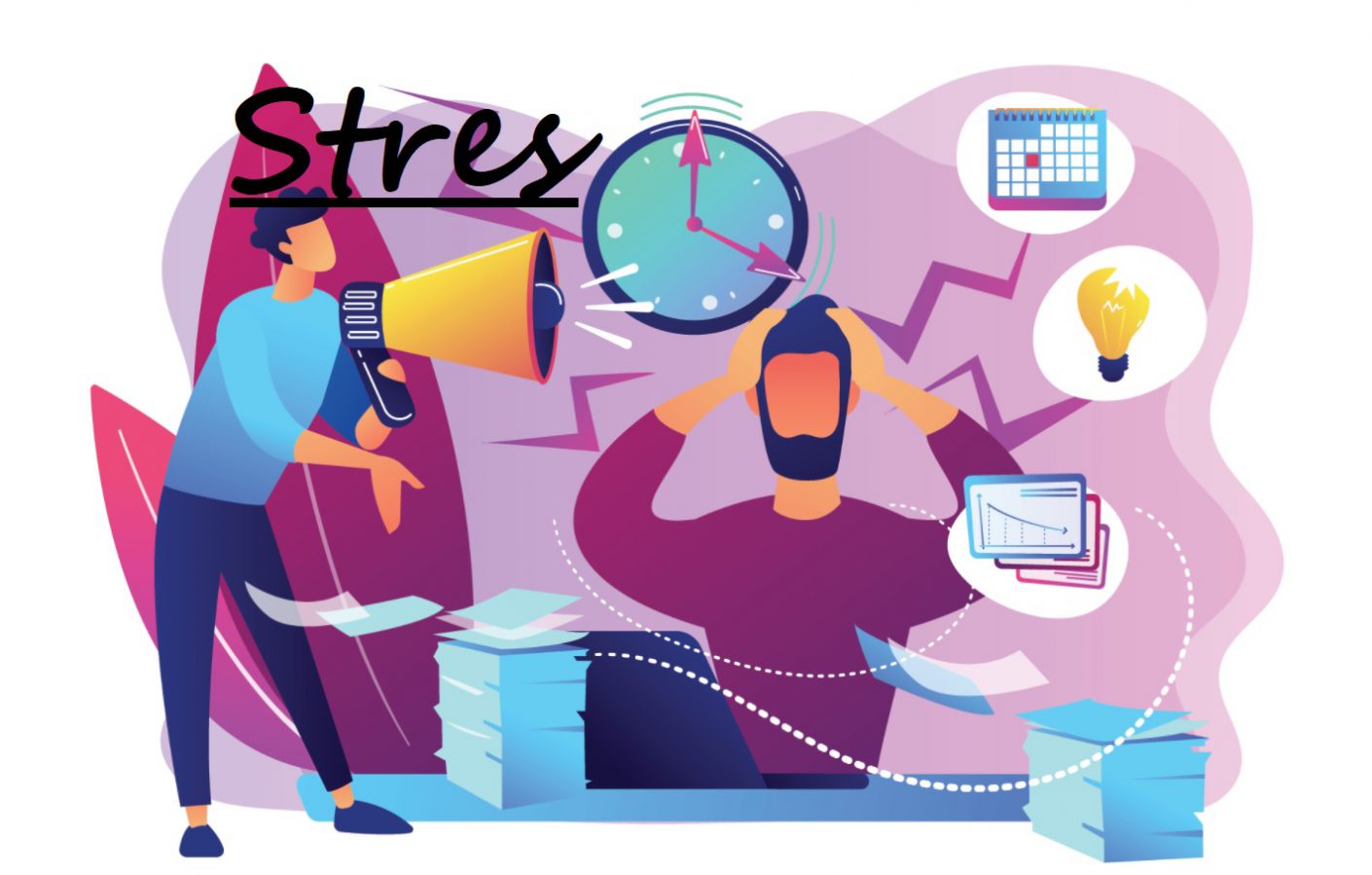
Have you ever experienced tension in your neck, headaches, chest tightness or digestive problems without knowing exactly why? Perhaps you feel as though your body never truly relaxes, even when everything seems fine on the surface.
Sometimes, our bodies respond to stress, emotional tension and difficult experiences before we fully understand what we are feeling.
Many people have learned to hide their emotions, avoid showing vulnerability and manage everything on their own. From the outside, they may appear calm and composed, while internally they experience anxiety, sadness, frustration or emotional exhaustion.
Suppressed emotions and chronic stress can affect both our mental wellbeing and physical health. Understanding the connection between our emotions and our bodies can be an important first step towards taking better care of ourselves.
How Does Stress Affect the Body?
Stress is a natural response to situations that we perceive as challenging, demanding or threatening. When we experience stress, our body activates mechanisms designed to prepare us to respond. Our heart rate increases, our breathing changes and our muscles tense as our body prepares for action.
This response can be helpful when we need to react quickly to danger. However, problems may arise when stress continues for a prolonged period and our body does not have enough opportunity to return to a more relaxed state.
Chronic stress can affect sleep, concentration, muscle tension, digestion and our overall sense of wellbeing.
When we consistently ignore our emotional needs, we may not realise just how overwhelmed we have become.
Physical Symptoms of Stress: What Should You Look Out For?
Stress affects everyone differently. Some people experience physical tension, while others struggle with sleep or notice changes in their digestive system.
Recognising the common physical symptoms of stress can help you understand when you may need to slow down and seek support.
1. Muscle Tension and Neck Pain
Do you notice that your shoulders are constantly raised, your jaw is clenched or your neck and back feel tense?
Prolonged stress can contribute to ongoing muscle tension. Sometimes, we hold tension in our bodies automatically, without even realising it.
This may become particularly noticeable during periods of increased responsibility, relationship difficulties, conflict or uncertainty.
You might find yourself clenching your teeth while working, tightening your shoulders during difficult conversations or struggling to relax even when you have time to rest.
Learning to recognise these physical responses can help you become more aware of your stress levels.
2. Headaches
Stress can trigger or worsen headaches, including tension-type headaches and migraines in people who are susceptible to them.
When we feel overwhelmed, it can become harder to relax our muscles, maintain regular sleep patterns and take breaks from our daily responsibilities. These factors may contribute to the frequency or intensity of headaches.
If headaches are persistent, severe or unusual for you, seek medical advice rather than assuming stress is the cause.
3. Digestive Problems and Stomach Discomfort
Our digestive system is sensitive to stress. During emotionally difficult periods, you may experience:
- Stomach pain or discomfort
- Nausea
- Bloating
- Changes in appetite
- Diarrhoea or constipation
The brain and digestive system communicate with each other, which helps explain why emotional stress can influence digestion.
However, digestive symptoms can have many causes. If your symptoms persist or keep returning, speak to your GP.
4. Heart Palpitations and Shallow Breathing
When we experience stress or anxiety, our heart may beat faster and our breathing may become quicker or shallower.
Some people also experience sweating, trembling, dizziness or a feeling of restlessness in their bodies.
These symptoms can occur during periods of intense anxiety, but it is important not to automatically attribute them to stress. New, severe or unexplained symptoms should be medically assessed.
Important: Sudden chest pain, significant difficulty breathing or fainting may require emergency medical attention. In the UK, call 999 if you believe you are experiencing a life-threatening emergency.
5. Persistent Fatigue and Emotional Exhaustion
Do you wake up feeling tired, even after a full night's sleep? Do you feel as though you never quite regain your energy?
Long-term stress can affect sleep quality and contribute to feelings of exhaustion. When we constantly try to meet other people's expectations, solve problems and maintain control, rest can begin to feel like another task on our to-do list.
Emotional exhaustion may also develop when we spend a long time putting other people's needs before our own.
However, persistent fatigue can have medical causes, too. It is important to speak to your GP if tiredness continues or affects your daily life.
6. Sleep Problems
Stressful thoughts often appear when we finally lie down to rest.
During the day, we may keep ourselves busy with work, family responsibilities and everyday tasks. At night, our minds may begin replaying conversations, anticipating problems or returning to difficult experiences.
This can make it harder to fall asleep, lead to frequent waking or leave us feeling unrefreshed in the morning.
Poor sleep can then increase our sensitivity to stress, creating a cycle that becomes difficult to break.
7. Changes in Appetite
Some people lose their appetite when they feel stressed, while others find themselves eating more frequently.
Food can sometimes provide temporary comfort, distract us from difficult emotions or help us manage feelings that we do not know how to express.
There is no need to judge yourself for these responses. Instead, try approaching them with curiosity.
Ask yourself: Am I eating because I am physically hungry, or am I looking for comfort, reassurance or relief from emotional tension?
Understanding the reasons behind our habits can help us develop healthier ways of responding to our needs.
Suppressed Emotions: Why Is It So Difficult to Express How We Feel?
We do not always consciously choose to suppress our emotions. Sometimes, hiding what we feel is a coping strategy we learned many years ago.
Perhaps, as a child, you heard phrases such as:
- "Stop crying. It's nothing."
- "You have to be strong."
- "You're overreacting."
- "Don't make a fuss."
- "Other people have it worse."
If our feelings were dismissed, criticised or ridiculed, we may have learned that expressing emotions was unsafe or unwelcome.
As adults, we might find it difficult to recognise our own needs. Instead of saying that someone has hurt us, we pretend everything is fine. Instead of admitting that we are exhausted, we take on more responsibilities. Instead of expressing anger, we blame ourselves.
These patterns may once have helped us cope with difficult circumstances. However, strategies that protected us in the past may no longer support our wellbeing today.
Emotions are not a sign of weakness. They are part of being human and can provide valuable information about our experiences, boundaries and needs.
Learning to acknowledge our feelings does not mean acting on every emotion. It means allowing ourselves to recognise what we feel and choosing how to respond.
Can Your Body Reflect Unexpressed Emotions?
Our physical and emotional experiences are closely connected. Emotions can influence muscle tension, breathing, levels of physical arousal and the way we experience bodily sensations.
When we ignore stress for a long time, we may become less aware of how much it affects our everyday lives. Sometimes, headaches, sleep difficulties or persistent tension encourage us to stop and consider what might be happening beneath the surface.
This does not mean that the body always stores a specific emotion or that every physical symptom has a psychological cause. Physical symptoms can arise for many reasons, and appropriate medical assessment remains important.
Alongside looking after your physical health, it may be helpful to explore the emotional pressures you are experiencing.
You could begin by asking yourself:
- What has been particularly difficult for me recently?
- Is there something I find hard to talk about openly?
- Am I taking on more than I can manage?
- Do I allow myself to rest without feeling guilty?
- What do I need most at this moment?
- Do I feel able to say no when something is too much for me?
You do not need to know all the answers straight away. Sometimes, simply acknowledging that something feels difficult is an important beginning.
How to Manage Stress and Emotional Tension
We cannot always remove stressful situations from our lives. However, we can gradually learn to recognise our responses, understand our emotions and find ways to support our wellbeing.
1. Pause and Notice Your Body
Take a few moments throughout the day to check in with yourself.
Are you clenching your jaw? Are your shoulders tense? Is your breathing comfortable? Do you feel restless or physically exhausted?
You do not need to fix everything immediately. Begin by noticing what is happening without criticising yourself.
Gentle stretching, mindful movement or slow, comfortable breathing may help you feel more settled. If focusing on your breathing makes you uncomfortable, try grounding yourself by noticing your surroundings instead.
2. Learn to Identify Your Emotions
Instead of telling yourself, "I feel bad", try to describe your experience more specifically.
Are you feeling angry, sad, disappointed, anxious, overwhelmed or helpless? Perhaps you are experiencing several emotions at once.
Naming your emotions can help you understand your needs and decide what kind of support might be helpful.
You might find it useful to write down what happened, what you felt and what you needed at that moment.
3. Give Yourself Permission to Rest
Rest is not a reward you have to earn. It is a basic human need.
Rest may mean taking a short walk, spending time away from your phone, talking to someone you trust or enjoying an activity that helps you unwind.
If you feel guilty whenever you slow down, consider where that belief came from. Do you feel that you must always be productive to be valuable? Do you worry that others will be disappointed if you take time for yourself?
You deserve care and consideration, too.
4. Learn to Set Healthy Boundaries
If you regularly agree to things you do not want to do, you may gradually experience increasing stress and resentment.
Learning to say no, ask for help and communicate your needs can reduce some of the pressure you place on yourself.
Setting boundaries does not mean you do not care about other people. It means recognising that your needs matter as well.
You do not have to manage everything alone, and you do not always have to be the person who copes best.
5. Seek Emotional Support
Talking to someone you trust can help you see a situation from a different perspective.
If stress continues for a long time or affects your relationships, sleep or everyday functioning, you may benefit from professional support.
You do not have to wait until you feel completely overwhelmed before asking for help.
How Can Therapy Help You Manage Stress?
Sometimes, it is difficult to understand why certain situations trigger such strong emotional or physical reactions.
You may recognise tension in your body without understanding how it relates to your experiences, beliefs, relationships or unmet needs.
Therapy offers a supportive space to explore these difficulties without judgement.
Working with a therapist can help you gradually:
- Recognise and understand your emotions.
- Identify patterns of behaviour that contribute to stress.
- Explore beliefs that make it difficult to rest or establish boundaries.
- Develop healthier coping strategies for challenging situations.
- Communicate your needs more confidently.
- Build greater self-awareness and trust in yourself.
- Understand how past experiences may influence your responses today.
An integrative approach to therapy recognises that every person has different experiences, needs and ways of coping. Rather than applying a one-size-fits-all solution, therapy can be adapted to your individual circumstances.
Therapy is not about ensuring that you never experience stress again. It is about developing a better understanding of yourself, responding to your needs and finding ways to navigate life's challenges.
You do not need to have everything figured out before starting therapy. You can begin with whatever feels most important to you right now.
You Do Not Have to Ignore What You Feel
Perhaps you have spent years being the person everyone can rely on. Maybe you have learned to hide your emotions because you do not want to worry others or fear being misunderstood.
You might be so accustomed to looking after everyone else that you struggle to recognise when you need support yourself.
But your needs matter, too.
Stress, tension and difficult emotions do not always disappear simply because we try not to think about them. Sometimes, we need to pause, acknowledge what we are experiencing and allow ourselves to receive support.
You do not have to be strong all the time. You are allowed to feel, rest, set boundaries and ask for help.
If stress is affecting your wellbeing, relationships or everyday life, speaking to a therapist may be a helpful first step towards understanding yourself more deeply.
Looking for Therapy in English or Polish?
My name is Aga Detlaf, and I am an integrative therapist offering therapy in English and Polish.
I provide a warm, supportive and non-judgemental space where you can explore your feelings, understand the sources of stress and develop coping strategies that suit your individual needs.
Whether you are struggling with anxiety, emotional overwhelm, low self-esteem or difficulties expressing your feelings, you do not have to navigate everything alone.
I offer online therapy across the UK and in-person sessions in Walsall.
If you would like to explore whether therapy could help you, you are welcome to get in touch to arrange a free 15-minute initial consultation.
You deserve support, understanding and the opportunity to put your own wellbeing first.
Contact Aga Detlaf Therapy to take the first step towards better understanding yourself and managing stress more effectively.